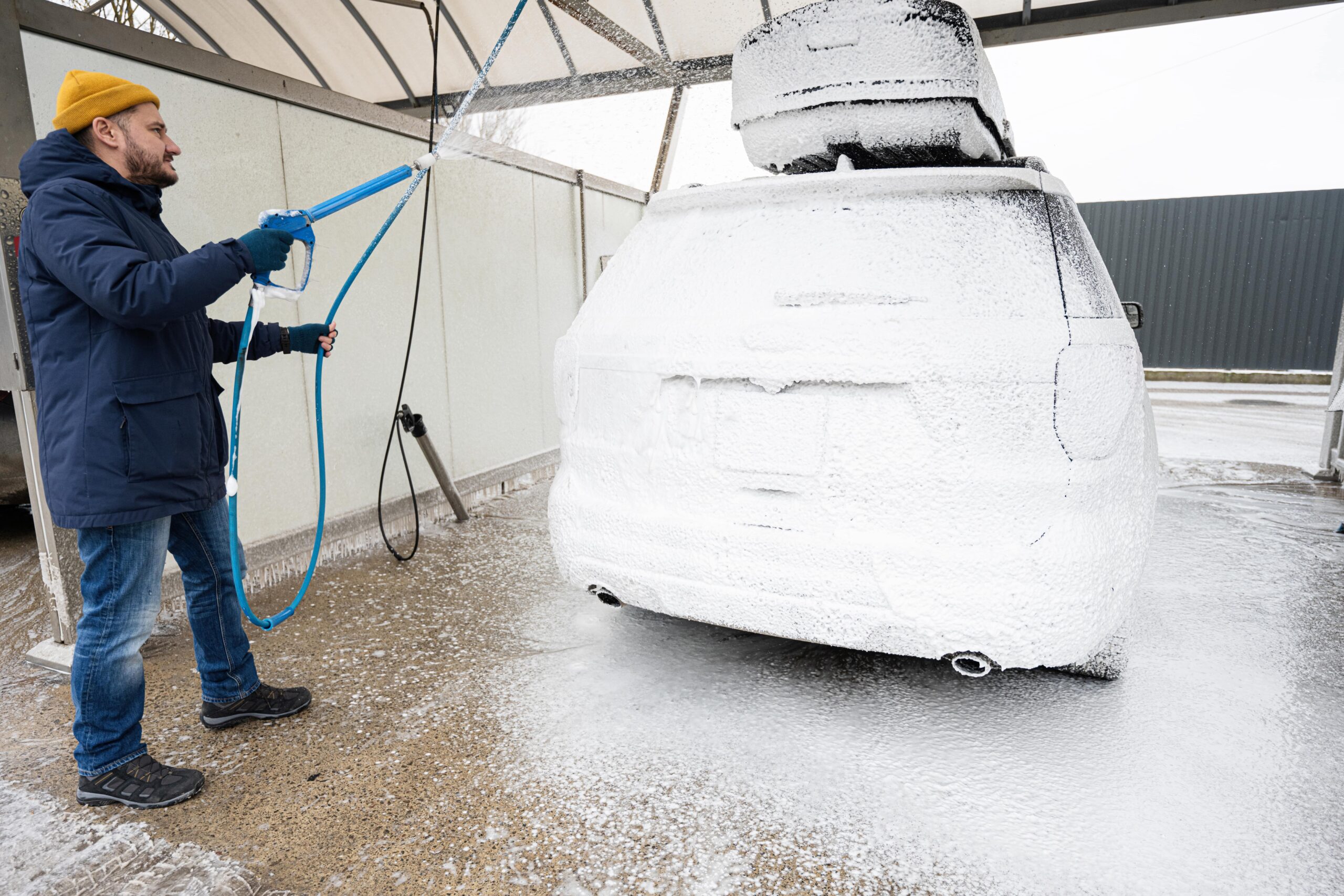
Yes — winter is when washing your car matters most in North Texas. Before every ice event, road crews spray highways with salt brine, and that chloride film clings to your paint and undercarriage, corroding metal long after the roads dry. Rinse within a few days of driving treated roads, underbody included.
Texas winters are short, but they are not harmless. A couple of ice events a year is all it takes for brine, grit, and grime to build up in the places you never look. Here is what winter actually leaves on your car in DFW, and the simple routine that keeps it from doing damage.
- 100%touch-free
- 3 minor less, every wash
- 8 ftmax vehicle height
- 24/7always open
Why Winter Washing Matters in Texas
It is tempting to skip washes between December and February — the car just gets dirty again, and nobody misses a cold wand bay. But winter is exactly when the stuff on your car is most corrosive. Ahead of every forecast freeze, TxDOT and city crews pre-treat bridges, overpasses, and major roads so ice cannot bond to the pavement. That treatment is salt brine — and every car on those roads drives through the mist it throws up.
Unlike plain mud, chloride residue is invisible once it dries. It sits in panel seams, behind wheels, and across the underbody, pulling moisture out of the air and holding it against metal. That is how corrosion keeps working for weeks after the ice is gone.
What’s Actually on Winter Roads
| What crews put down | When | What it does to your car |
|---|---|---|
| Salt brine spray | Before forecast ice and snow | Dries into a chloride film on paint and undercarriage |
| Granular salt and sand | During icing, on trouble spots | Abrasive grit that sticks in wheel wells and seams |
| Melt-off slush and grime | The days after a storm | Splashes brine-laden film onto every lower panel |
When to Wash After an Ice Event
The rule of thumb: wash within a few days of driving on treated roads, as soon as temperatures climb back above freezing. DFW winters make that easy — most ice events are followed by 50-degree afternoons within the week. Because the bays at Ben’s are open 24/7, you can catch whichever mild window fits your schedule.
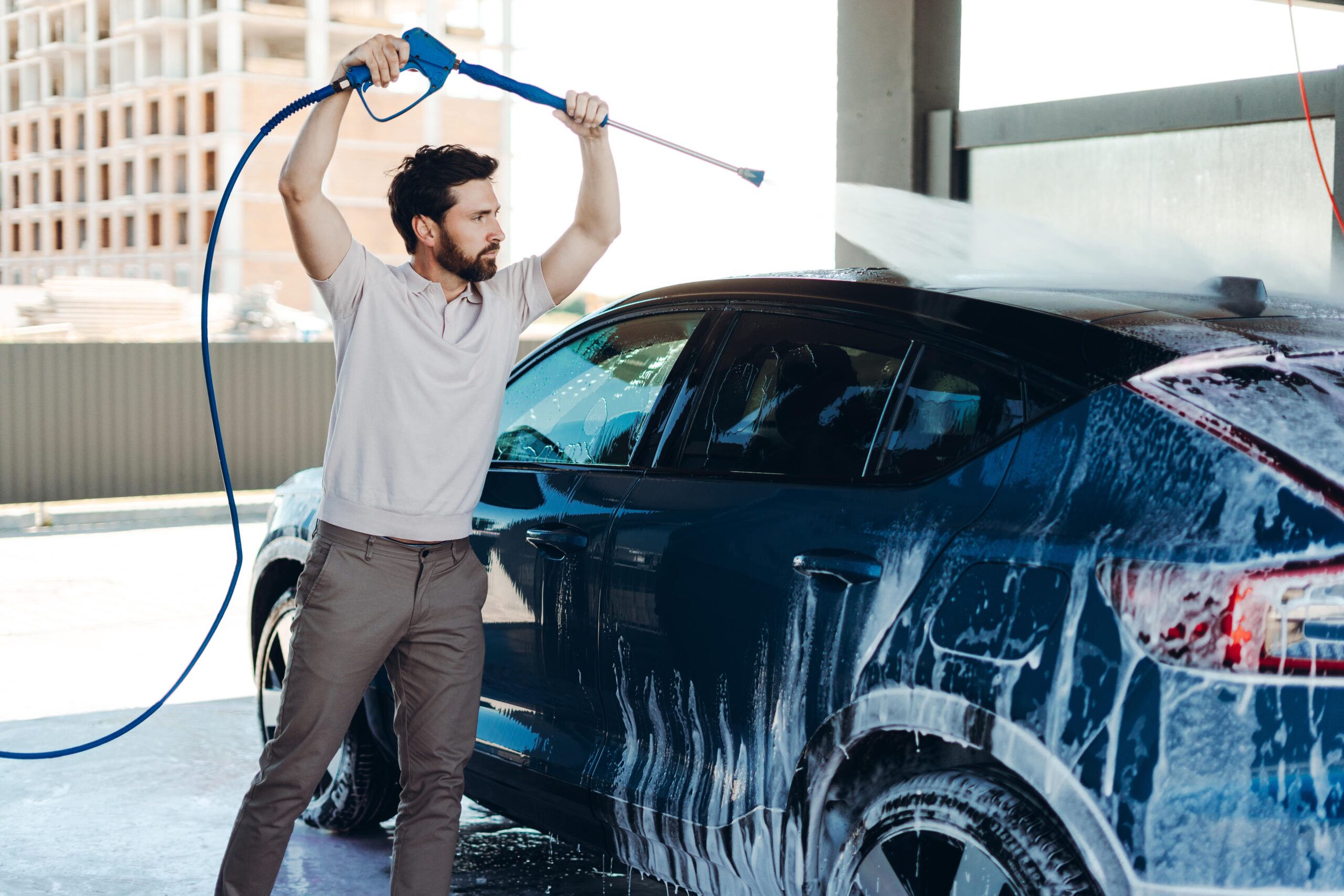
A touch-free wash is the right tool for the job: the pre-soak loosens dried road film, high-pressure water flushes grit out of seams without grinding it across the paint, and a spot-free rinse keeps hard water spots from replacing the grime.
Don’t Skip the Underbody
Brine does its worst work where you cannot see it: the frame, brake lines, exhaust hangers, and suspension pick up the heaviest coating and almost never get rinsed. That is why the underbody flush matters more in winter than any other season — at Ben’s, it is included in the Premium Shine and Ultimate Wash packages. If you have been choosing between packages, winter is the season to step up.
Make it a habitMonthly plans start at $27 and cover up to 15 washes. No contracts, cancel anytime.
See monthly plansWinter Washing Tips
- Wash in the warm window. Above-freezing afternoons follow most DFW ice events within days — that is your slot.
- Hit the lower third. Rocker panels, wheel wells, and behind the wheels collect the most brine splash.
- Finish with the spot-free rinse. Winter sun is still Texas sun, and mineral spots etch year-round.
- Keep the schedule. A quick wash every week or two beats one big spring cleanup — see how often to wash in Texas.
Winter is a membership season
Two or three brine events plus normal grime adds up fast. Monthly plans at Ben’s in Fort Worth start at $27 and cover up to 15 washes — wash after every treated-road drive without thinking about the cost.
Frequently Asked Questions
Should you wash your car in winter? Yes — in North Texas, winter is when washing matters most. Road crews pre-treat highways with salt brine before every ice event, and that chloride film clings to paint and the undercarriage, where it keeps corroding metal long after the roads dry.
Does Texas use salt on the roads? Mostly in liquid form. TxDOT and local crews spray salt brine on bridges and highways before winter storms, and use granular materials on trouble spots during icing. Either way, chlorides end up on every car that drives the treated lanes.
How soon after an ice event should you wash your car? Within a few days of driving on treated roads — as soon as temperatures are back above freezing. The longer brine residue sits, the longer it holds moisture against metal and works on any chip or seam in the finish.
Do you really need an underbody wash in winter? It is the most important part. Brine mist coats the frame, brake lines, and suspension where you cannot see it. At Ben’s, the Premium Shine and Ultimate Wash packages include an underbody flush that rinses those chlorides away.
Is it OK to wash your car in freezing weather? Wash during an above-freezing window — easy to find in a DFW winter — and your car will be dry long before the next hard freeze. With 24/7 bays, you can catch a mild afternoon any day of the week.
Wash Anytime at Ben’s ScratchFree CarWash
Ben’s ScratchFree CarWash at 3130 Eagle Ranch Blvd, Fort Worth, TX 76179 is open 24/7, with a 100% touch-free automatic bay and four self-serve bays. See membership plans or get directions.
- Address
- 3130 Eagle Ranch Blvd, Fort Worth, TX 76179
- Hours
- Open 24 hours, 7 days a week
- Phone
- 945-381-6348